Who this is for
You’re stopped on the shoulder with cars whizzing past. Your hazard lights are flashing, but drivers still stack up behind you, honking because they think you’re just parked illegally. That moment — when hazard lights alone don’t communicate “emergency” — is exactly why the right warning devices matter.
If you drive a commercial motor vehicle, federal rules are strict: turn on your hazard flashers immediately when you stop on a roadway or shoulder for any reason other than a traffic stop. Keep them flashing until your warning devices are in place. Use the flashers again while retrieving the devices before you drive away.
For private passenger cars, there is no federal rule requiring you to carry triangles or flares. AAA recommends keeping them anyway. They suggest placing flares or reflective triangles roughly 100 feet behind your vehicle on the right, center, and left, while also turning on your hazard lights and popping your hood.
State laws add their own requirements. In Texas, trucks and buses driving outside urban districts must carry red flags during the day. At night, they need flares, lanterns, or reflectors. Florida requires hazard lights for any truck or trailer 80 inches wide or 30 feet long.
How to choose: device types compared
When you are shopping, you will see three main types of devices. They work in very different ways.
Reflective triangles These are passive devices. This means they do not create their own light. Instead, they use a retroreflective surface to bounce light back to other drivers. They only work when an approaching car’s headlights hit them.
Flares (Traditional vs. LED) Traditional pyrotechnic flares (also called fusees) work by burning. They usually last about 20 minutes, but they can last anywhere from 30 seconds to 30 minutes. They are single-use and burn at over 2,000°F, which can start fires in dry grass.
LED road flares are active light sources. They are much safer because they are cool to the touch and won’t ignite fuel. Most LED versions run for 12 to 24 hours and are reusable.
LED beacons Like LED flares, these are active light sources that create their own brightness. While they are great for visibility, remember that they cannot replace the required reflective triangles for commercial trucks under U.S. rules.
Product options: top-recommended models by category
If you are looking to build a kit, here are the models that appear most often in trusted reviews and roundups.
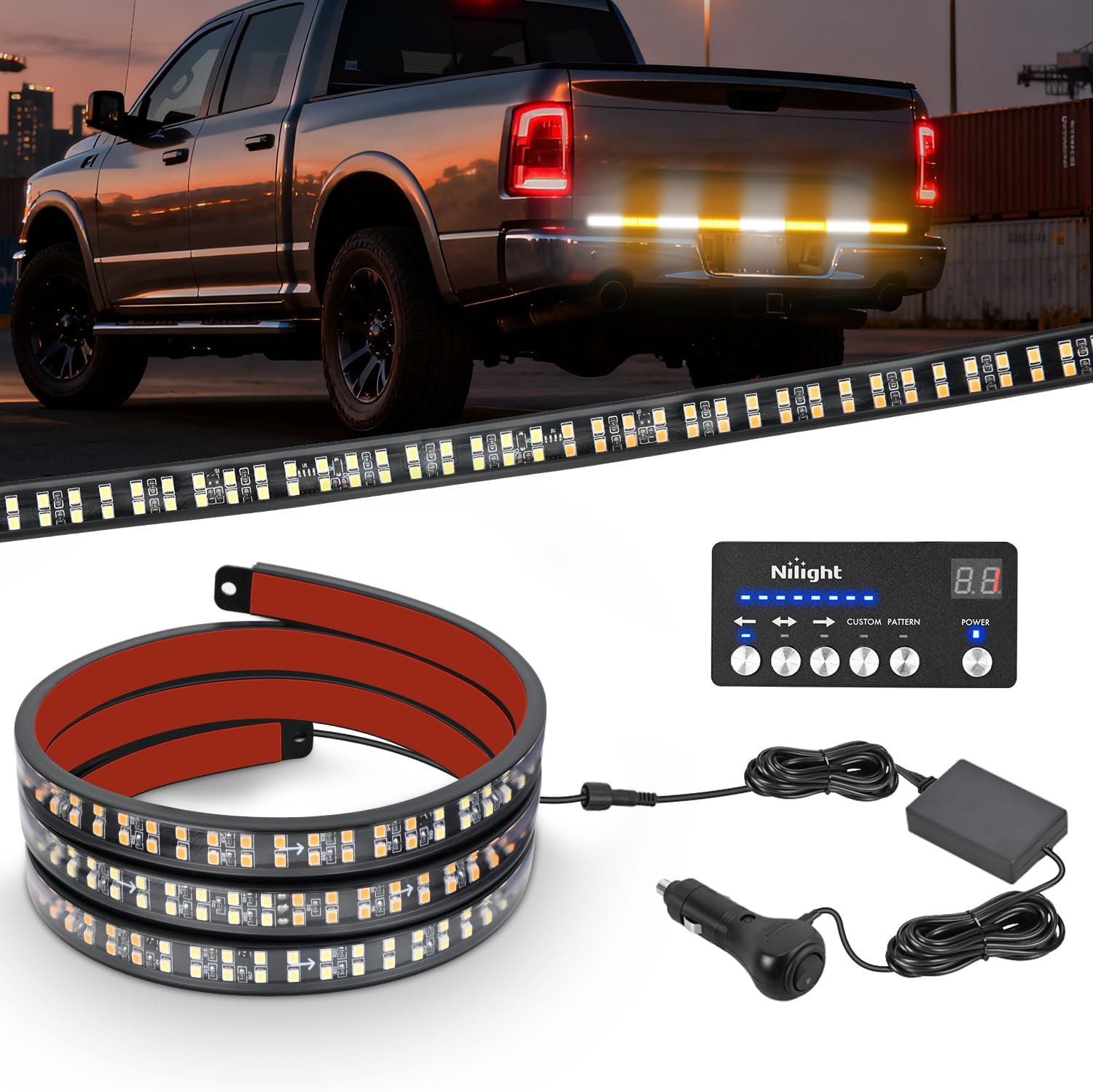
49 Inch Emergency Strobe Light Strips with Controller, 288LED Flashing Warning Hazard Safety Rear Window Tailgate Lights for Truck Trailer Construction Plow Pickup SUV Vehicle, Amber White
gearnudge.com
- Best for
- A long strobe strip for high visibility on trucks or trailers
- Avoid if
- You need confirmed live price or guaranteed fit from this page.
- Evidence
- Listing and source evidence
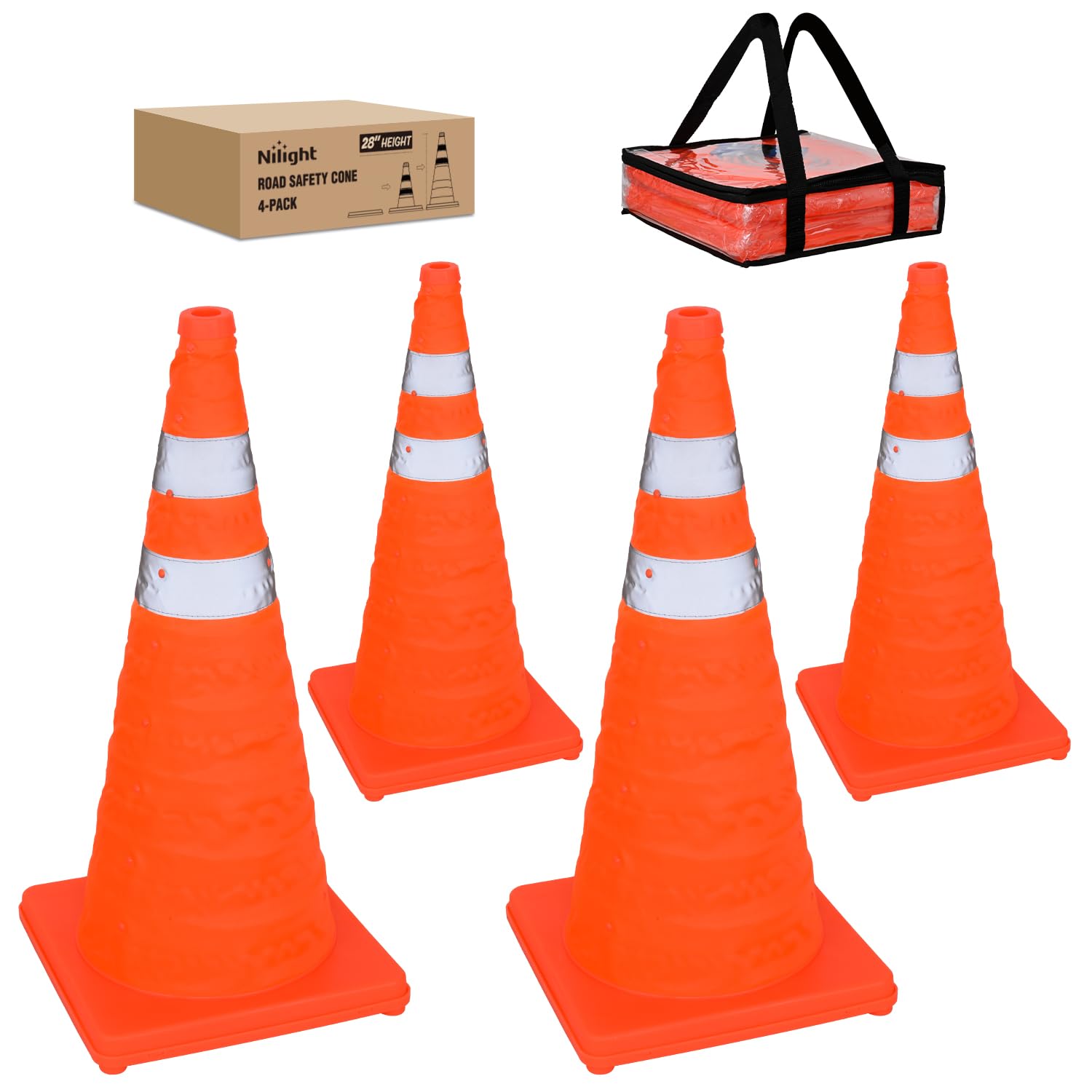
28 Inch Collapsible Traffic Safety Cones 4 Pack - Bright Orange Parking Cones with Reflective Collars for Roadside Emergency, Parking, Driving Practice
gearnudge.com
- Best for
- Collapsible cones that are easy to store and deploy
- Avoid if
- You need confirmed live price or guaranteed fit from this page.
- Evidence
- Listing and source evidence
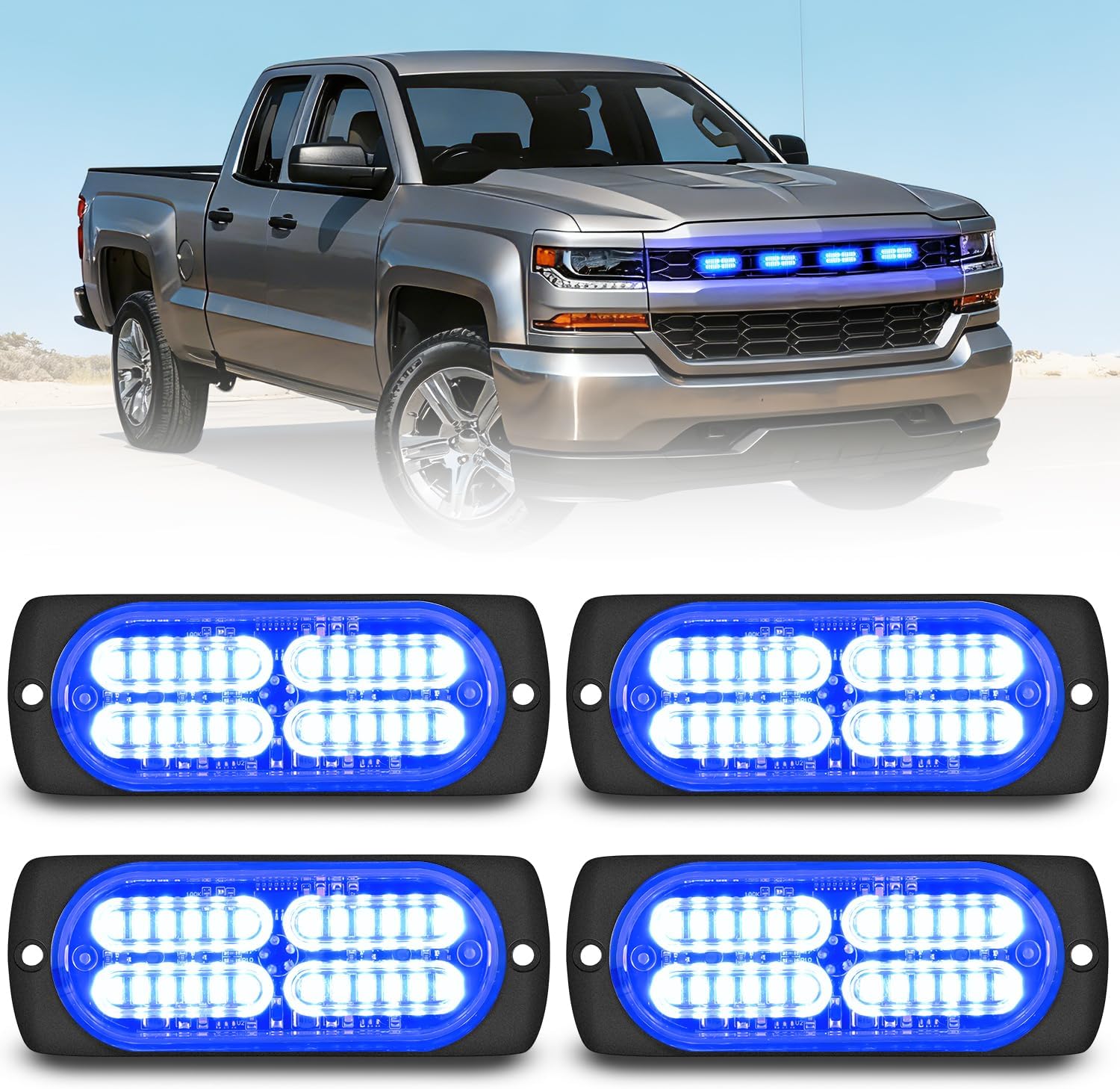
4PCS 24LED Emergency Strobe lights 12V 24V Blue Surface Mount Grille Hazard Safety Warning Light Sync Feature Side Flashing Marker Flash for Car Truck Campers
gearnudge.com
- Best for
- Blue strobe lights for side-flashing safety
- Avoid if
- You need confirmed live price or guaranteed fit from this page.
- Evidence
- Listing and source evidence
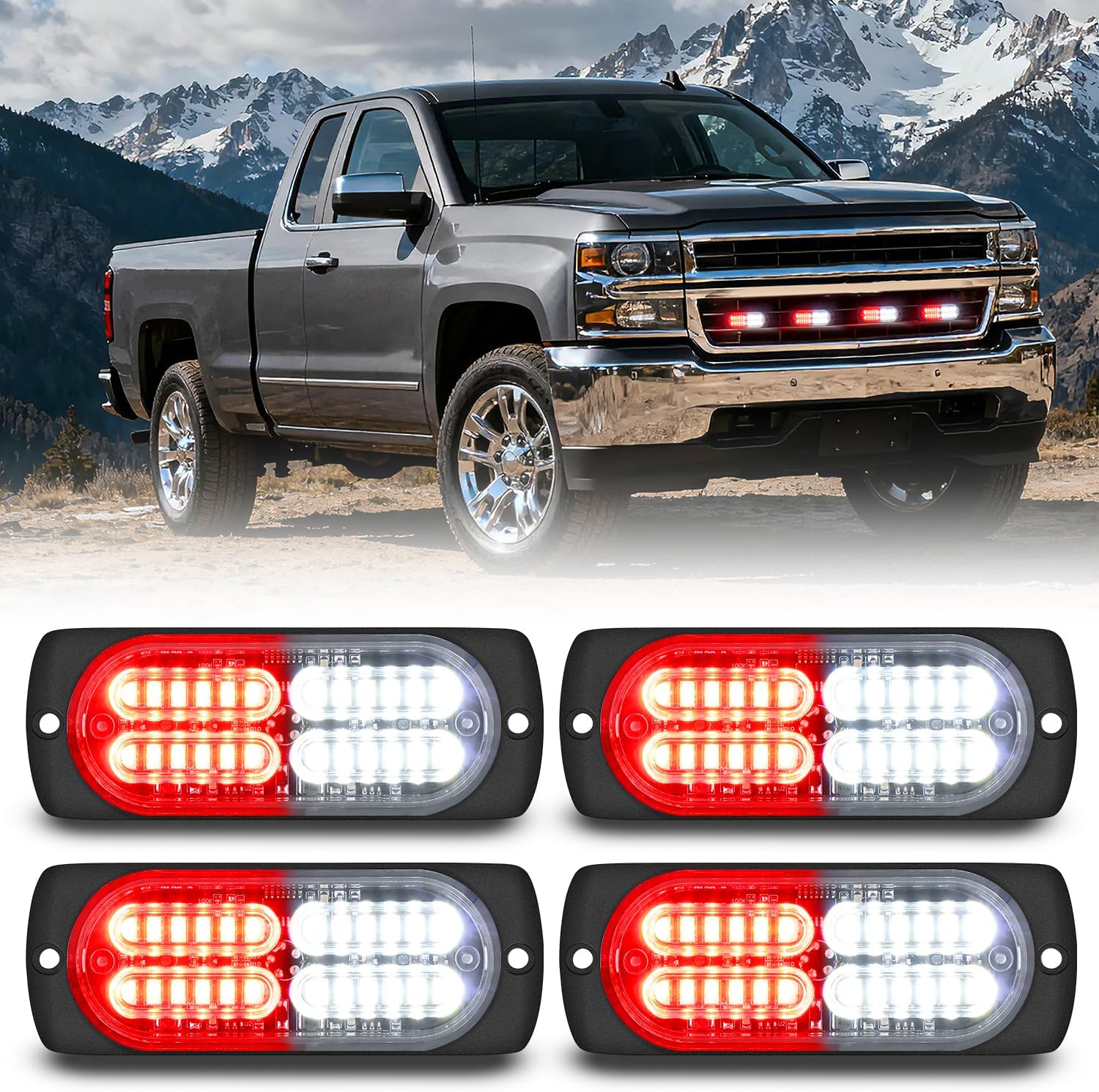
4PCS 24LED Emergency Strobe lights 12V 24V Red White Surface Mount Grille Hazard Safety Warning Light Sync Feature Side Flashing Marker Flash for Car Truck Campers
gearnudge.com
- Best for
- Red and white strobe lights for emergency marking
- Avoid if
- You need confirmed live price or guaranteed fit from this page.
- Evidence
- Listing and source evidence
- StonePoint LED Emergency Beacon (3-pack): This is a top pick for battery-powered beacons. It is a safer, reusable option for passenger vehicles.
- CARTMAN Warning Triangle (3-pack): This is the most cross-recommended triangle. It is DOT-approved and features a 17x17 inch reflective panel and a 2.98-lb sand-filling base to help it stand up to wind.
- DSV Standard Warning Triangles: These are highly praised for their heavy bases and compact carrying cases.
- HOKENA LED Roadside Flares (3-pack): This is a top choice for LED flares. They are waterproof, crushproof, and feature 15 LEDs with nine different modes.
Compatibility & legal checks before buying
Before you buy, you must check if your device meets the legal requirements for your vehicle type.
Commercial motor vehicles must carry either three bidirectional reflective triangles that meet federal safety standards (FMVSS 125) or at least six fusees. If you use flares instead of triangles, you must ensure at least one flare stays lit at each of the three locations. That flare must remain burning for as long as the vehicle is stopped.
Keep in mind that LED devices are considered add-ons for commercial trucks. They are great for extra visibility, but they do not count as a legal substitute for the required reflective triangles.
Setup and use notes
Setting up your gear correctly is the difference between being seen and being hit.
One common mistake is relying only on hazard lights. Drivers often ignore or misunderstand hazard lights, sometimes honking at a stopped car because they think it is just a slow driver.
When using triangles, follow these tips:
- Unfold and place quickly: A DOT triangle setup should take just a few seconds.
- Space them out: Do not place them inches apart in a straight line. For commercial vehicles, use a 10/100/100-foot pattern. For passenger cars, AAA recommends placing them roughly 100 feet behind the vehicle on the right, center, and left.
- Deploy the base: Make sure the weighted base is fully deployed so the triangle doesn’t blow over.
Even when placed correctly, triangles can still be run over by inattentive drivers. Proper spacing—like using three LED triangles instead of just one—can alert traffic much earlier, giving drivers time to slow down or move over.
Avoid-if guidance
Avoid these common pitfalls to ensure your kit actually works when you need it:
- Avoid cheap triangles with light bases: These often blow over in the wind. Look for models with heavy, sand-filling bases.
- Avoid single-use flares for frequent drivers: Traditional pyrotechnic flares are single-use and have a short burn time. LED flares are a better long-term investment because they are reusable and last 12–24 hours.
- Avoid LED-only kits for commercial fleets: If your company or state requires FMVSS 125 triangles, an LED beacon kit alone will not keep you legal.
- Avoid improper deployment: Do not place triangles in the travel lane or balance them on their edges without the weight properly set.
FAQ
Do hazard lights work on their own?
Not always. Hazard lights are routinely ignored or misunderstood. Other drivers might mistake your stopped vehicle for a slow driver and honk at you.
How many devices should I use?
AAA recommends using three devices: one on the right, one in the center, and one on the left, roughly 100 feet behind your vehicle.
Do LED flares expire?
No. Traditional pyrotechnic flares have a limited burn time and are single-use. LED flares are reusable and can run for 12 to 24 hours without expiring from normal storage.
What if I use flares instead of triangles?
If you use flares, you must ensure that at least one flare remains lit at each of the three locations for the entire time your vehicle is stopped.